
Why November Brings Thousands of “Ladybugs” to North Carolina Homes
Every October, phones at Mr. Pest Control start ringing off the hook with the same frantic question: “Why are there thousands of ladybugs on my house?!” If you live in Charlotte, Lake Norman, Lincoln County, or anywhere across North Carolina, you’ve probably noticed orange and black bugs crawling up sunny walls, squeezing through the tiniest cracks, and sometimes even ending up in your living room. Those aren’t the cute native ladybugs that eat aphids in your garden — they’re multicolored Asian lady beetles, an invasive species introduced in the 1980s that now goes into overdrive every fall.
At the same time, cluster flies (those big, lazy black flies buzzing in your attic windows) join the party. Both pests are simply looking for a warm spot to spend winter. As days shorten and temperatures drop, they swarm to the warmest, brightest surfaces — usually the south and west sides of light-colored homes. Once the sun heats your siding to 60°F or higher, thousands can appear in hours. They slip through gaps most people can’t even see, hibernate in walls and attics, then wake up on the first warm January day and stumble into your bedroom. The result? Stains on curtains, a lingering bitter-almond smell, and the occasional harmless but annoying bite.
The good news for North Carolina homeowners: one properly timed exterior treatment plus a little sealing keeps 99% of Asian lady beetles and cluster flies out for the entire winter. Do it now, in early-to-mid November, and you’ll enjoy a ladybug-free holiday season.
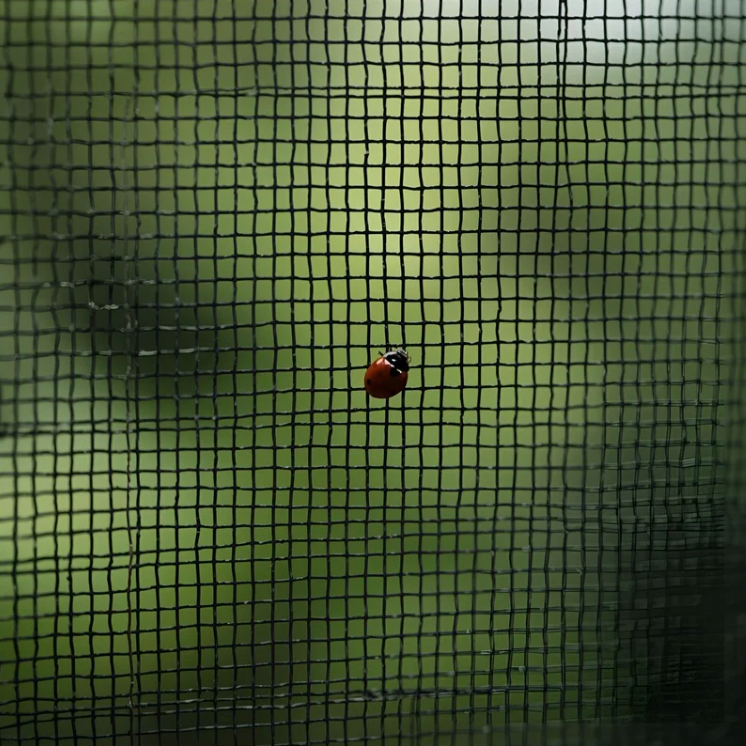
1. Asian Lady Beetles vs Real Ladybugs: How to Tell What’s on Your House
First, let’s clear up the confusion. Native ladybugs are smaller, rounder, and usually solid red with no markings. Asian lady beetles (Harmonia axyridis) range from pale yellow-orange to deep red and almost always have a black “M” or “W” marking right behind their head. They’re the ones swarming North Carolina homes right now.
When threatened or crushed, Asian lady beetles release a yellow defensive fluid that smells terrible and can stain walls, furniture, and even skin. They may also give a quick nip (not dangerous, just startling). Cluster flies, on the other hand, look like oversized house flies with golden hairs on their thorax and are completely harmless — just really annoying when hundreds buzz around your attic lights.
2. Where Ladybugs and Cluster Flies Sneak Inside NC Homes
These pests don’t need an open door. A gap as small as 1/8 inch is plenty. Favorite entry points we see every fall:
- Gaps around siding and brick veneer
- Soffit and fascia joints
- Window and door trim that has pulled away
- Unscreened attic vents and ridge vents
- Cracks around exterior light fixtures and hose bibs
Light-colored homes and homes with dark shutters get hit hardest because the contrast makes walls appear warmer from the air. South and west walls are prime real estate — that’s why one side of your house can be covered while the north side stays clean.
3. DIY Prevention Steps Before They Get In (That Actually Work)
You can knock down a huge percentage of the fall ladybug invasion with an afternoon of sealing:
- Walk around your house on a warm afternoon with a tube of high-quality exterior caulk (DAP Alex Plus or OSI Quad Max are NC favorites).
- Seal every visible gap larger than a credit card edge. Pay special attention to where siding meets trim and around windows.
- Install or repair door sweeps and weather stripping.
- Add fine-mesh screens to attic vents if they’re missing.
Do this work while it’s still above 50°F so the caulk cures properly. Our complete home-sealing checklist is available here: Mr. Pest Control Home Sealing Guide.
4. Why Vacuuming and Sprays Inside the House Don’t Solve the Problem
We get it — seeing hundreds of ladybugs in your windows feels urgent. But vacuuming or spraying the ones already inside is like mopping the floor during a rainstorm with the windows open. More will keep coming in for weeks until cold weather finally stops them. Plus, crushing Asian lady beetles releases that yellow stain and odor that lingers for days. The vacuum bag becomes a stinky biohazard.
The only long-term fix is stopping them before they enter.
5. The One Professional Perimeter Treatment That Stops Them All Winter
Here’s what actually works: a single exterior barrier application in early-to-mid November, before the beetles move into walls. We use professional-grade residual products labeled specifically for Asian lady beetles and cluster flies (the same active ingredients you can’t buy in stores). Applied to siding, eaves, window trim, and entry points, it creates an invisible shield that knocks down beetles on contact and keeps working for months.
One treatment typically lasts until spring. It’s applied only on the outside, so there’s zero odor or exposure inside your home. It’s safe for kids, dogs, and even native pollinators when applied by a licensed technician who knows the rules. Learn more about our ladybug & cluster fly seasonal service here
For science-backed info on Asian lady beetle biology, NC State Extension has an excellent fact sheet: Multicolored Asian Lady Beetle.
6. How to Handle the Ones Already Inside (Without Making It Worse)
If some have already slipped in, try this overnight light trap: place a small desk lamp over a bucket of soapy water near a dark room window. Lady beetles fly to the light, fall in, and can’t climb out. Empty in the morning. For cluster flies hiding in attics, a quick aerosol fogger labeled for flies usually finishes them off. Never use bug bombs in living areas — they’re ineffective against beetles and leave residue everywhere.
Ladybug & Cluster Fly FAQ – 10 Most Asked Questions in North Carolina
- Why are there suddenly thousands of ladybugs on my house in November?
Cooler nights trigger their overwintering instinct. Sunny walls mimic the cliffs they would use in Asia, so they mass there by the thousands.
- Are the orange ladybugs on my house actually Asian lady beetles?
Almost certainly — look for the black “M” behind the head and varying numbers of spots (0–19).
- Do Asian lady beetles bite or sting people in NC?
They can give a quick pinch with their mouthparts when handled, but it’s harmless and rare.
- Why do ladybugs only land on the sunny side of my house?
They’re cold-blooded and seek the warmest surface for basking before looking for cracks.
- How do cluster flies get in the house if I never see them outside?
They fly high and land directly on upper siding/attic vents, bypassing ground level completely.
- When is the best time to seal my house for ladybugs in North Carolina?
Mid-October to mid-November while temperatures are still above 50°F for proper caulk curing.
- Will vacuuming all the ladybugs inside stop them from coming back?
No — thousands more are waiting in walls and will emerge on warm days through March.
- Is one pest control treatment enough for the entire winter?
Yes, when applied correctly in November, a single professional perimeter treatment lasts until spring.
- Are professional ladybug treatments safe for my dog and kids?
Absolutely. Products are applied only on the exterior and dry within minutes.
- What should I do if I already have ladybugs living in my walls?
Schedule the exterior barrier now — it will stop new ones and the ones inside will die off naturally by February.
Ready for a Ladybug-Free Winter? Here’s What to Do Right Now in NC
The window is closing fast. Once we get a hard freeze, the beetles move deeper into walls and become nearly impossible to reach. Slots for our November perimeter treatments fill up every year, usually by Thanksgiving week.
Don’t spend another winter vacuuming window sills and scrubbing yellow stains. Get ahead of the Asian lady beetle and cluster fly invasion while they’re still on the outside.
Request your ladybug & cluster fly perimeter treatment today — same-week appointments still available as of November 2025. One visit, one winter of peace.
