
The Silent Stirring: Hidden Pests Threatening Your North Carolina Home in February
As February rolls around, North Carolina homeowners often breathe a sigh of relief. They think the quiet winter months mean a break from household worries. But beneath the surface, trouble could be brewing. Termites and rodents are two of the state’s most notorious pests. They are waking up and ready to cause havoc if left unchecked. Imagine discovering crumbling wood in your foundation come spring or hearing the telltale scamper of rodents in your walls. These are not just hypotheticals. They are real risks in North Carolina’s unique climate.
According to NC State Extension, termites cause millions in damage annually across the state. They thrive in our humid, wood-rich environment. Rodents, meanwhile, pose health risks. The CDC links them to diseases like hantavirus. February’s mild temperatures often hit 50°F in regions like the Piedmont. This makes it a critical time for action. Why? This is when pests start stirring but have not yet launched their full spring assault. A timely inspection can catch issues early. It saves you thousands in repairs and stress. In this post, we will explore why February is the sweet spot for termite and rodent inspections in North Carolina. We will cover how to spot trouble and what to expect from professionals. Let’s get your home ready for a pest-free year.
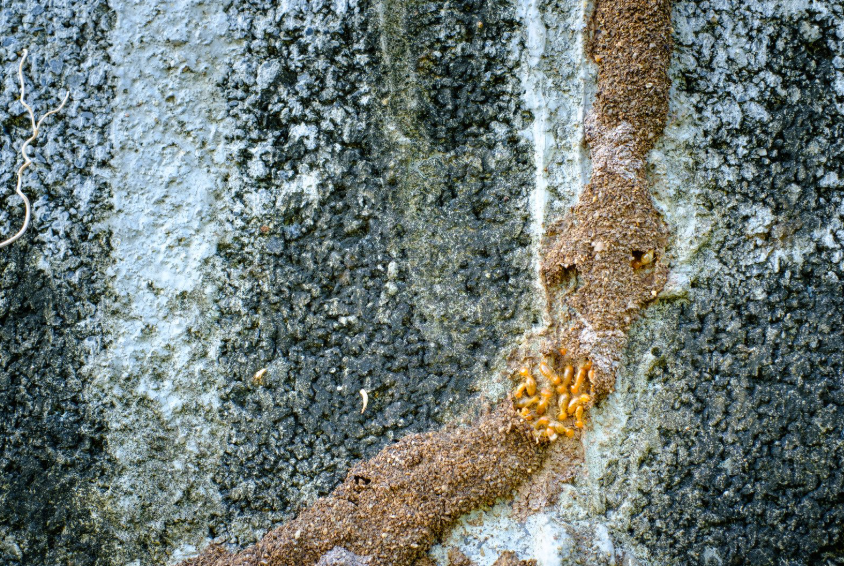
Decoding Termite Behavior in North Carolina’s Late Winter
Termites do not take a winter nap in North Carolina. They just slow down. By February, subterranean termites are the most common and destructive type here. They are gearing up for their spring swarming season. Our state’s diverse landscapes from coastal marshes to mountain foothills provide perfect conditions for these wood-eaters. Moist soil and mild winters keep colonies active, even in February.
These pests live in underground nests. They sometimes house hundreds of thousands. They feed on cellulose in wood or paper. As temperatures creep up, they probe for new food sources. This makes your home a target if it has damp wood or soil contact. A professional termite inspection can spot these early. It prevents the $5 billion in annual U.S. termite damage reported by the EPA.
Spotting Early Termite Signs Before the Spring Swarm
Look for mud tubes. These are narrow tunnels termites build to travel from soil to wood. Check foundations, crawl spaces, or porches. Other clues include discarded wings near windows from swarmers testing the air or hollow-sounding wood. Bubbling paint or frass that looks like sawdust-like droppings are also red flags. In North Carolina’s clay-heavy soils, moisture retention makes these signs more likely in February. For more tips, our termite control guide offers practical advice for homeowners.
Why February’s Weather Fuels Termite Activity in North Carolina
North Carolina’s February climate is humid and mild. This is a termite’s dream. NC State Extension notes swarming can start as early as late February after rain. It peaks in March. With average humidity at 60-70 percent and occasional warm spells, termites stay active. Leaky pipes or poor drainage? That’s an invitation. Early inspections catch colonies before they swarm. They save your home from structural damage.
The Rodent Rush: Why Winter Drives Mice and Rats Indoors
While termites plot below, rodents are sneaking above. Mice and rats do not hibernate. They seek warmth and food when outdoor sources dwindle. North Carolina’s mild winters rarely go below freezing in many areas. This keeps them active, but February’s chill pushes them inside. A mouse can slip through a dime-sized gap. Once in, they breed fast. The CDC estimates rodents cause thousands of health issues yearly from allergies to serious diseases.
Finding Rodent Entry Points in Your North Carolina Home
Check for droppings that are small dark pellets, gnaw marks on wires, or greasy rub marks along walls. Seal gaps around pipes, vents, or doors. Rats need only a quarter-inch opening. Attics and garages are prime targets, especially in rural areas near fields. Our general pest control services include rodent solutions and a checklist to secure your home.
February Rodent Control Tips for North Carolina
February is prime for inspections because rodents are nesting but not yet in full spring breeding mode. Use traps with peanut butter. Store food in sealed containers. Trim shrubs away from your house. For eco-friendly ideas, the North Carolina Wildlife Resources Commission suggests humane methods. If signs persist, pros ensure thorough removal.
Why February Is the Best Time for Termite and Rodent Inspections in North Carolina
February is a Goldilocks moment for pest control. It is not too early and not too late. Termites are prepping for swarms. This makes them easier to spot without the chaos of active infestations. Rodents, snug in winter nests, are simpler to evict before spring litters. In North Carolina, where swarms can start in late February, early action is key. Inspections also catch overlapping issues like damp basements attracting both pests.
Cost-Saving Benefits of February Termite Inspections
A professional termite inspection costs 75 to 325 dollars. This is a fraction of the 3,000 dollars plus for repairs. February often brings off-season discounts. This makes it budget-friendly. Early detection means less invasive treatments.
Why Winter Rodent Inspections Matter for North Carolina Homes
Rodent inspections run 100 to 300 dollars. They protect against chewed wires that create a fire hazard and health risks. In North Carolina’s wet winters, early checks prevent costly surprises. Learn more about scheduling via our contact page.
What to Expect from a Professional Termite and Rodent Inspection in North Carolina
Ready to hire pros? Here is the process. First, book an appointment. Our contact page makes it easy for North Carolina homeowners.
Preparing Your Home for a February Inspection
Clear clutter from basements, attics, and crawl spaces. Move furniture from walls and note any signs like droppings or mud tubes. This ensures inspectors can access key areas efficiently.
Inside a Comprehensive Pest Inspection
Pros use tools like moisture meters and thermal cameras to check foundations, walls, and roofs. They will deliver a detailed report with findings and next steps. This often includes treatment options if needed. For more on seasonal prep, check our recent blog post on spotting early signs of a winter pest infestation.
10 Essential Questions Answered: Your Q&A on Termite and Rodent Inspections in North Carolina
Here is a deep dive into common questions about termite and rodent inspections. These are tailored for North Carolina homeowners.
- Why Is February Ideal for Termite Inspections in North Carolina?
February’s mild weather wakes termites without triggering full swarms, per NC State Extension. It is the perfect time to spot colonies before March peaks. This prevents costly damage with early treatments.
- How Do I Know If I Need a Rodent Inspection This Winter?
Scratching noises, droppings near food, or gnaw marks signal trouble. Rodents peak indoors from October to February, per the CDC. If you spot one, an inspection confirms the extent and prevents spring breeding surges.
- DIY vs. Professional Termite Inspection: What’s Best in North Carolina?
DIY can spot obvious signs like mud tubes, but pros use tools like boroscopes for hidden areas. In North Carolina’s humid climate, missed spots lead to big problems. Pros also offer warranties, unlike DIY efforts.
- Which Termite Species Are Active in February?
Subterranean termites are the main culprits. They thrive in moist soil. Drywood termites are less common but possible near coasts. February sees subterraneans prepping to swarm. Watch for wings or tubes, per the EPA.
- How Much Does a Termite and Rodent Inspection Cost in North Carolina?
Termite inspections range from 75 to 325 dollars. Rodent inspections run 100 to 300 dollars. Combined services often save 10 to 20 percent. Home size and location affect costs. It is far cheaper than the 5 billion dollars in annual U.S. termite damage.
- What Happens After a Positive Rodent Inspection in Winter?
Seal entries, set traps, and sanitize affected areas. Pros may use baits or exclusion. Follow up in spring to prevent re-entry. See the CDC’s rodent guide for health tips.
- Can You Predict North Carolina’s Termite Swarming Season in February?
Warm, rainy days trigger swarms. They often start late February in mild years. Weather apps help, but annual inspections offer the best protection, per pest control data.
- Why Combine Termite and Rodent Inspections in North Carolina?
Shared vulnerabilities like damp basements make combined inspections efficient. They save time and money while addressing both risks, especially in North Carolina’s climate.
- Are Eco-Friendly Pest Control Options Available in North Carolina?
Yes. Botanical repellents, low-toxicity baits, and integrated pest management are popular. North Carolina supports green methods. The EPA’s eco-pest page lists approved options.
- How Often Should I Schedule Termite and Rodent Inspections in North Carolina?
Annually, ideally in February. High-risk areas near woods may need biannual checks. Regular inspections catch issues early, per industry standards.
Lock Down Your Home: Act Now to Stop Pests Before Spring Hits
February is not just a quiet month. It is your chance to get ahead of termites and rodents in North Carolina. By understanding their habits, checking for signs, and booking a professional inspection, you are protecting your home, wallet, and peace of mind. Do not wait for swarms or scurrying feet to signal trouble. Head to https://mrpestcontrolnc.com/ to schedule your inspection today. With a quick call, you can ensure your home stays safe through spring and beyond. Act now, and enjoy a pest-free year!
