
The Quiet Invasion: Why Overwintering Pests Wake Up in North Carolina Homes Every February
As February arrives in North Carolina, many homeowners enjoy a few warm sunny days and think the worst of winter is behind them. But those mild afternoons often bring an unwelcome surprise. Stink bugs suddenly appear on ceilings, cluster flies buzz against windows, and fresh mouse droppings show up in the pantry. These are classic overwintering pests that have been hiding inside your home since fall. They are now waking up and getting ready for spring.
North Carolina’s February weather is the perfect trigger. Daytime highs frequently reach 50 to 65 degrees on sunny days. This warmth pulls stink bugs and cluster flies out of diapause and makes mice more active as they prepare to breed. According to NC State Extension, these pests cause increasing complaints every late winter because they become visible exactly when homeowners least expect them.
Waiting until March or April means dealing with much larger numbers and more damage. A simple February pest alert inspection can stop the problem early and save you hundreds or even thousands in repairs and frustration.
In this post we will show you exactly how to spot these overwintering invaders, why February is the smartest time to act, and what professional help looks like. Let’s make sure your home stays peaceful before spring fully hits.
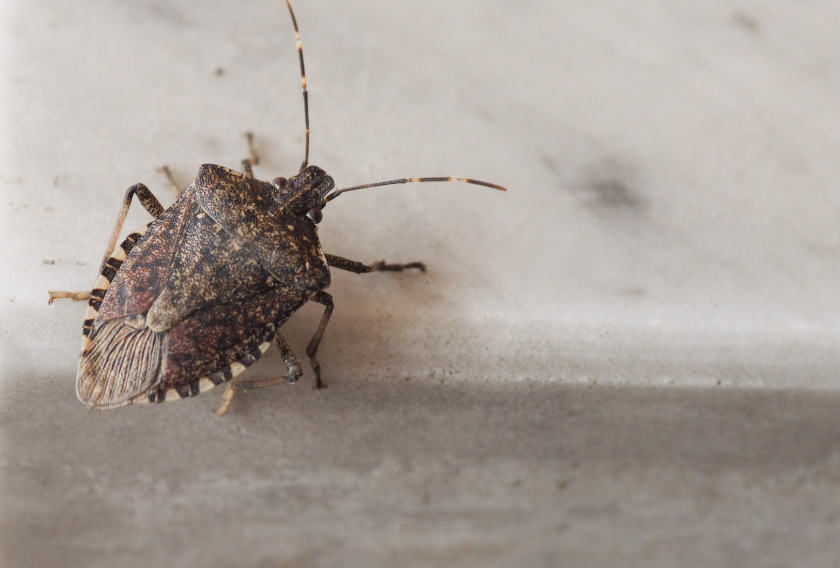
Understanding Overwintering Stink Bugs in North Carolina Winters
Brown marmorated stink bugs are one of the most common overwintering pests in North Carolina. They crawl into homes during autumn, squeeze into wall voids, attics, and behind siding, and then go dormant. When the sun warms the south side of your house in February, they wake up and start crawling out looking for a way outside or a new place to feed.
Spotting Early Signs of Stink Bugs Before Spring Hits in North Carolina
Look for the shield-shaped brown bugs on ceilings, light fixtures, or window sills. You may also notice a strong cilantro-like odor when they are crushed or disturbed. In February they often appear in small groups on warm exterior walls. Check behind curtains, inside lampshades, and near soffit vents. Our comprehensive pest control services page explains exactly what to look for and how to keep these invaders out next fall.
Why February Sunlight Triggers Stink Bug Activity in North Carolina
Even a few hours of direct winter sun can raise wall temperatures enough to break their dormancy. NC State Extension reports that stink bug sightings spike dramatically on sunny February and March days across the Piedmont and foothills. For more science on their behavior, visit the NC State Extension stink bug page.
Cluster Flies: The Overwintering Attic Invaders That Appear in February
Cluster flies look like slightly larger, darker house flies. They earned their name because they gather in large groups inside attics, wall voids, and around south-facing windows during winter. They do not breed inside homes. They simply use your house as a giant insulated shelter and become active again in late winter.
How to Identify Cluster Flies in Your North Carolina Home This Winter
You will usually see them crawling slowly on windows or buzzing in sunny rooms. They leave small dark spots on curtains and walls from their excrement. Unlike house flies, they move sluggishly when disturbed. Our general pest control services include fast and effective cluster fly removal for North Carolina homes.
February Cluster Fly Control Strategies Before Spring Swarms
The key is to vacuum them up on warm days and seal the cracks they used to enter. For complete control, professionals use targeted treatments that are safe around children and pets. Learn more about safe fly management from the EPA’s household pest guide.
Why Mice Become More Visible as Overwintering Pests in February North Carolina
Mice never truly hibernate. They stay hidden and quiet when it is very cold, but February’s milder weather makes them bolder. They begin moving more often to gather food and prepare nesting sites for spring litters. This is exactly when homeowners start noticing droppings, chew marks, and the faint smell of urine in cabinets and basements.
Common Signs of Overwintering Mice Before Spring in North Carolina Homes
Look for small rice-shaped droppings, shredded paper or insulation, and greasy rub marks along baseboards. You may hear light scratching at night. February is the perfect month to catch them before the population explodes. Our full pest control services page includes a complete checklist and professional rodent exclusion options.
Why February Is the Smartest Time to Spot Overwintering Pests Before Spring Hits in North Carolina
February gives you a huge advantage. Pest populations are still low, damage is minimal, and inspectors can reach hiding spots before spring activity makes everything harder. Acting now prevents the big surge that happens in March and April.
Cost-Effective Overwintering Pest Inspection in February North Carolina
Most February inspections cost between 99 and 249 dollars depending on home size. This is far less than the repairs, cleaning, and repeated treatments needed later. Many families in North Carolina save hundreds by catching problems early.
Prevent Spring Pest Invasion with a Late-Winter Check
A single professional visit in February can seal entry points, remove current invaders, and set up monitoring that lasts through spring. It is the easiest and most affordable way to stay ahead.
Step-by-Step Guide to Spotting and Stopping Overwintering Invaders in Your North Carolina Home
Start by walking through your home on a sunny day with a flashlight. Check attics, crawl spaces, window sills, and behind appliances. Note any bugs, flies, or mouse signs. Vacuum visible insects and wipe surfaces with mild soap. Seal obvious cracks with caulk or steel wool.
Preparing Your Home for a February Overwintering Pest Inspection in North Carolina
Clear a path to the attic and basement. Move boxes away from walls. Remove clutter from window ledges. This simple prep helps the inspector work quickly and thoroughly.
What Happens During a Professional Overwintering Pest Check in North Carolina
A licensed technician will inspect all common hiding spots, use a bright light to locate clusters, set monitoring traps for mice, and treat only where needed. You will receive a clear written report and a prevention plan. For more on what to expect, read our recent article on spotting early signs of a winter pest infestation before it’s too late.
10 Essential Questions Answered: Your Q&A on Overwintering Pests in North Carolina
Here are straightforward answers to the questions North Carolina homeowners ask most often in February.
- What Makes February the Best Time for an Overwintering Pest Alert in North Carolina?
Warm sunny days wake up stink bugs and cluster flies while mice become more active. Populations are still small, so one quick visit can solve the problem before spring numbers explode.
- How Can I Spot Stink Bugs Waking Up Before Spring Hits in North Carolina?
Look for shield-shaped brown bugs on ceilings and windows on warm days. They give off a strong odor when disturbed. February is when they first become noticeable.
- Why Do Cluster Flies Suddenly Appear on Windows in February North Carolina?
They have been hiding in attics all winter. The first warm sunlight draws them toward south-facing windows where they try to get back outside.
- What Are the Most Common Signs of Overwintering Mice in February?
Small rice-shaped droppings, shredded paper, and light scratching sounds at night. February activity increases because mice are preparing for spring breeding.
- Is It Normal to See Stink Bugs in the House During Winter in North Carolina?
Yes, especially on mild February days. They overwinter inside walls and come out when temperatures rise.
- How Much Does a February Overwintering Pest Inspection Cost in North Carolina?
Most inspections range from 99 to 249 dollars. This is much less expensive than treating a full spring infestation.
- Can I Get Rid of Cluster Flies Myself or Should I Call a Professional?
Vacuuming helps temporarily, but professionals seal entry points and apply safe treatments so the flies do not keep returning for weeks.
- Why Combine Stink Bug, Cluster Fly, and Mice Inspections in One Visit?
All three pests often hide in the same areas. One thorough inspection saves time and money while catching every problem at once.
- Are There Eco-Friendly Ways to Handle Overwintering Pests in North Carolina?
Yes. Vacuuming, sealing cracks, and using botanical sprays are all effective and low-impact. The EPA’s eco-friendly pest control page lists many approved options.
- How Often Should North Carolina Homeowners Schedule Overwintering Pest Checks?
Once every February is ideal. Homes near woods or fields may benefit from a second check in late fall to prevent new invaders.
Take Action Before Spring Hits: Protect Your Home from Overwintering Invaders Today
February is your best opportunity to stop stink bugs, cluster flies, and mice before they turn into a bigger spring headache. By spotting the signs now and taking quick action, you protect your comfort, your property, and your family’s health all year long. Do not wait for the numbers to grow. Schedule your February overwintering pest inspection today at https://mrpestcontrolnc.com/. One quick visit can give you peace of mind through the entire spring season. Act now and enjoy a pest-free home.
